
Cultural Heritage
-

A Wake-Up Call for Museums
Read more: A Wake-Up Call for MuseumsComplacency, underfunded security, and misplaced trust have left the world’s collections more vulnerable than ever. The recent thefts from the Louvre should shake every museum director and curator to their core. Prestige does not equal protection. A world-renowned name will not stop a determined thief. The world watched priceless works disappear from one of the…
-
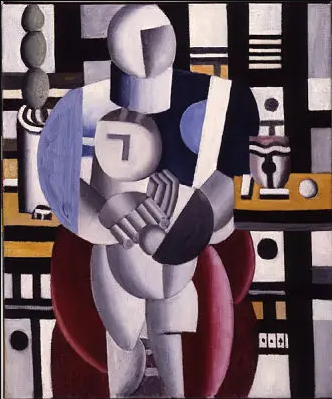
Inventory Controls Keep Your Collections Safe
Read more: Inventory Controls Keep Your Collections SafeInventory controls – what is in your collection, where it is located, and who is responsible for maintaining that information – is perhaps the most important aspect of collections management. According to the AAM Code of Ethics for Museums, U.S. museums are organized as public trusts with the responsibility to ensure the collections in their…
-
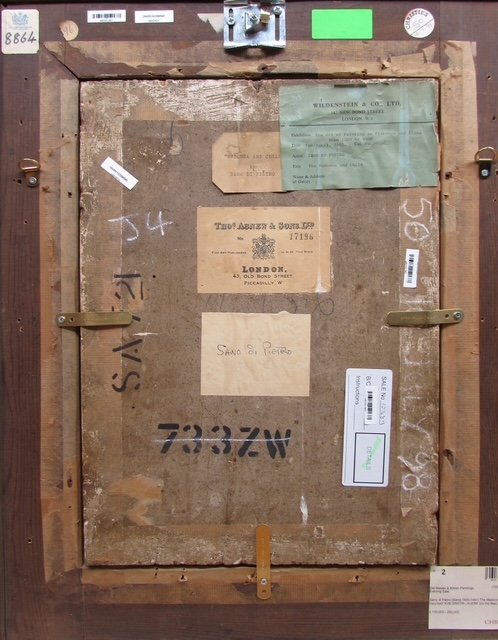
What is Provenance and Why It’s Important
Read more: What is Provenance and Why It’s ImportantProvenance. It’s a lofty term you’ll often hear bandied about in the art world. Simply put, it’s the record of ownership of a work of art, from its creation by the artist’s hand to the present day. Think of it as a chain of custody for the art world. For many collectors, a piece’s provenance…
-

U.S. Museums Embrace Voluntary Repatriations of Cultural Property
Read more: U.S. Museums Embrace Voluntary Repatriations of Cultural PropertyIn recent years, there’s been a notable and promising trend of voluntary cultural property repatriations by museums, particularly in the United States. This isn’t primarily about Nazi-looted art or Native American human remains and other cultural items, which are separate categories. These cases rather focus on antiquities and other artifacts that are increasingly being returned…
-

Protecting Our Cultural Heritage: A Call to Action for Congress
Read more: Protecting Our Cultural Heritage: A Call to Action for CongressIn recent years, a troubling trend has emerged as climate activists, protestors, and other bad actors have targeted priceless works of art and other cultural objects for damage and destruction. These acts, often intended to draw attention to urgent issues, instead leave lasting scars on humanity’s cultural heritage and the institutions that house and protect…
Latest News
- Argus Cultural Property Consultants Wins State Department Contract to Build AI Tool Against Art and Antiquities Trafficking
- A Steward’s Guide to Insurance vs. Fair Market Value Appraisals
- Argus Experts Lead Cultural Heritage Protection Workshops in Uzbekistan
- Recent Thefts in Italy Spotlight Museum Security Vulnerabilities
- What We Learned from the Louvre Heist: Think Like a Thief