
Museums
-
Recent Thefts in Italy Spotlight Museum Security Vulnerabilities
Read more: Recent Thefts in Italy Spotlight Museum Security VulnerabilitiesIt was the best of times, it was the worst of times. With apologies to Dickens, this phrase could well describe the past month for the TPC, the Italian Carabinieri’s elite art theft unit. On August 14, the TPC announced the successful recovery of three pieces of artwork which had been stolen last March during a late-night smash-and-grab…
-
What We Learned from the Louvre Heist: Think Like a Thief
Read more: What We Learned from the Louvre Heist: Think Like a ThiefLast week marked the three-month anniversary of the Louvre Museum robbery; arguably the most notorious art heist of the 21st-century. A daring crime that was first and foremost in the news cycle for nearly two weeks was quickly replaced by more current events. Three months later the Louvre heist merits sporadic attention in the media.…
-

A Wake-Up Call for Museums
Read more: A Wake-Up Call for MuseumsComplacency, underfunded security, and misplaced trust have left the world’s collections more vulnerable than ever. The recent thefts from the Louvre should shake every museum director and curator to their core. Prestige does not equal protection. A world-renowned name will not stop a determined thief. The world watched priceless works disappear from one of the…
-
Inventory Controls Keep Your Collections Safe
Read more: Inventory Controls Keep Your Collections SafeInventory controls – what is in your collection, where it is located, and who is responsible for maintaining that information – is perhaps the most important aspect of collections management. According to the AAM Code of Ethics for Museums, U.S. museums are organized as public trusts with the responsibility to ensure the collections in their…
-
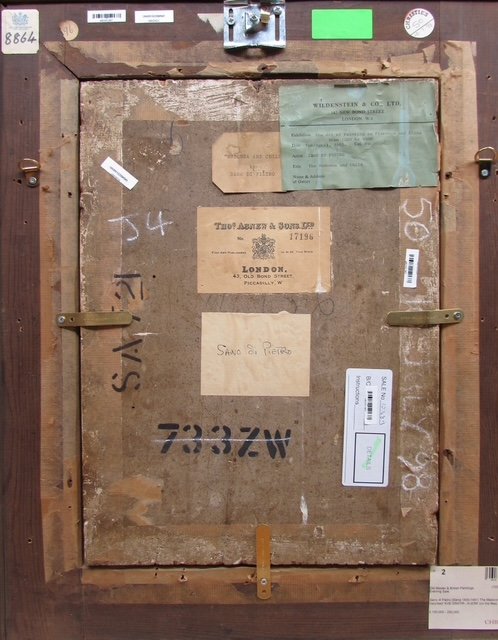
What is Provenance and Why It’s Important
Read more: What is Provenance and Why It’s ImportantProvenance. It’s a lofty term you’ll often hear bandied about in the art world. Simply put, it’s the record of ownership of a work of art, from its creation by the artist’s hand to the present day. Think of it as a chain of custody for the art world. For many collectors, a piece’s provenance…
Latest News
- Argus Experts Lead Cultural Heritage Protection Workshops in Uzbekistan
- Recent Thefts in Italy Spotlight Museum Security Vulnerabilities
- What We Learned from the Louvre Heist: Think Like a Thief
- Still Missing…“Poppy Flowers” by Vincent van Gogh
- New Book “Thirteen Perfect Fugitives”